Published: 11/15/2026 By: Big Round Wheel
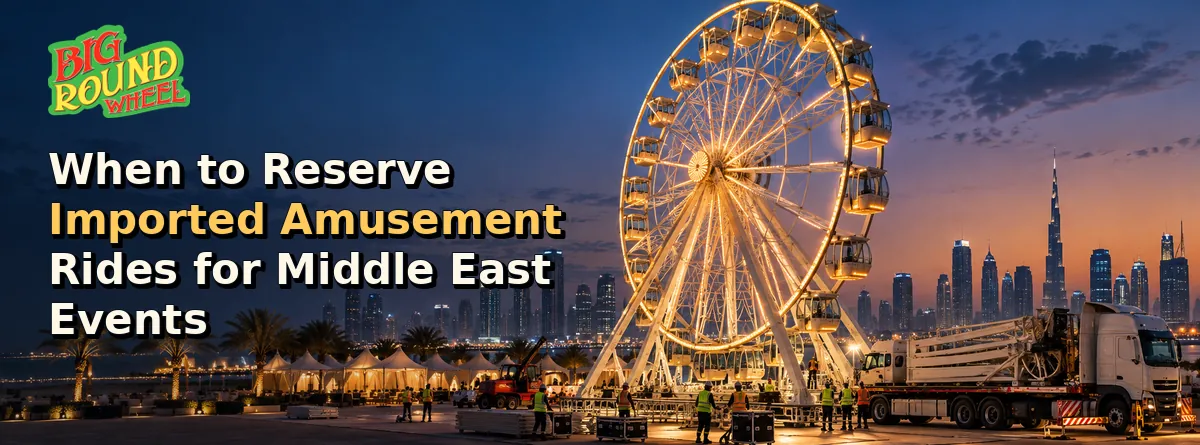
Quick Answer: For a Middle East event that depends on an attraction crossing borders, begin the booking conversation about a year before opening, and earlier for custom work or complex approvals. That is a planning target, not a guaranteed lead time; confirm availability and the full delivery-to-setup schedule with the provider.
The Lead Time Is the Full Journey, Not Just the Event Date
If your event involves bringing an amusement attraction across borders, start talking about reservations while your plans are still flexible. The scheduled date is just one piece of the process. Both the planner and provider will likely need to agree on which attractions to include, decide the source of the equipment, arrange transportation and meet any requirements in the destination country, confirm the layout at the venue, and make sure there’s enough time for delivery, setup, and testing.
It’s smart to begin discussions about a year before your event. This isn’t a strict rule or any kind of guarantee, but it’s a helpful guideline. Big Round Wheel mentions that some clients book a year in advance, especially during busy seasons. Their Middle East event page points out that every project gets a review of availability, transport, logistics, and requirements. For international events, think of the first call as the kickoff for the whole coordination, not the end.
When the attraction is already close to your venue, you might not need as much lead time. If it has to be shipped in, has custom branding, or needs multiple local checks, you’ll want to allow extra time. Providers can only give reliable information after they know the date, location, what kind of attraction you want, and who’s handling things locally.
Start the Booking Conversation Around a Year Ahead
After you’re certain about the date and city, check if the attraction is available. You don’t need every production detail locked in to start. An early conversation helps clarify what’s possible, what details are still missing, and if you may need to consider alternatives for your chosen attraction.
If your event relies on bringing in an attraction from another country, try to start planning at least a year ahead. If you’re creating a new concept, want custom finishes or sponsor features, planning for multiple attractions, or using a new venue or route, start even earlier. If the event is coming up soon, reach out to providers right away and be clear about your timeline—just because you’re late doesn’t mean it can’t be done.
When you first reach out, give as much information as you can: dates, times, where the event is, estimated attendance, what kind of experience you want, your budget, and any site plans you have. Big Round Wheel’s Middle East attraction services page recommends sharing the location, venue, timing, audience, preferred attractions, and creative concepts if you have them.
Be upfront about which parts are confirmed and which are still being worked out. Providers can talk through the schedule without officially holding a date. Ask what you need to do to lock in the reservation, how long a hold lasts, and what steps or payments are needed to secure your date.
What Can Stretch the Schedule
Two events might share an opening date but have totally different planning timelines. One could use equipment that’s already nearby and a simple venue. Another might need special shipping, a new delivery route, sponsor graphics, tight access windows, and lots of local sign-offs. That second event will need more coordination before anyone starts moving equipment.
Timing matters too—seasonal demand and other events can affect availability. Providers should make sure they’re actually free, not just assume based on old calendars. The event team should also look into local holidays, venue rules, and any times when shipping or permits might take longer than usual.
Trace the Route From Origin to Venue
Shipping is just one step in the international process. First, figure out where the attraction or parts are coming from and who will handle each leg of the journey. Next, map out all the steps needed before the equipment arrives at your venue: export prep, booking transport, paperwork for the destination, any customs clearance, port handling, overland delivery, and finally, getting it to the site.
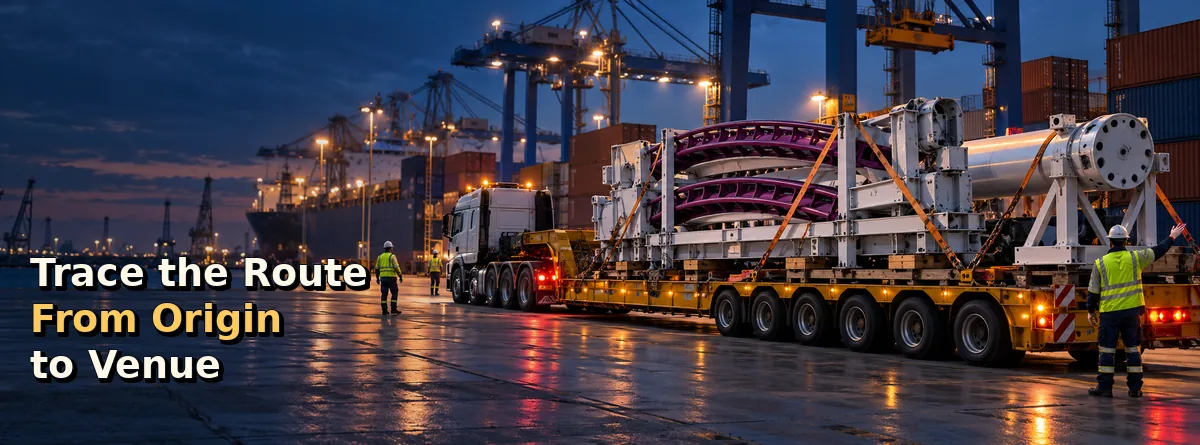
Don’t expect the attraction to be shipped as a typical container, or for everyone to agree on when it counts as “delivered.” Find out who’s in charge of international shipping, local transport, unloading, storage, and any paperwork or fees. If you need a local importer, customs broker, freight company, or production partner, get them involved as soon as possible.
Ask for dates covering every step, not just a single expected arrival. The plan should spell out when the equipment will be ready, when shipping is booked, when it’s supposed to arrive, how it’ll get to the venue, and what backup plans exist if something changes. Rules and shipping setups vary by country, so double-check what’s needed with local experts and authorities. Don’t just rely on rough estimates from suppliers.
Find out what might make you switch to a different attraction, route, or delivery plan. If your event can’t happen without a specific ride, agree on the last possible date to confirm if the plan will work. That way, you’ll have time to adapt your event schedule, sponsor materials, or guest info if needed.
Protect the Site Access and Setup Window
Even if the attraction is available, it might not fit the schedule if the venue can’t accept it at the right time. Check things like the service gate, road access, turning space, ground conditions, ceiling height, unloading spots, and when trucks can come in. The venue team should go over the real equipment and delivery plan—not just a general site map.
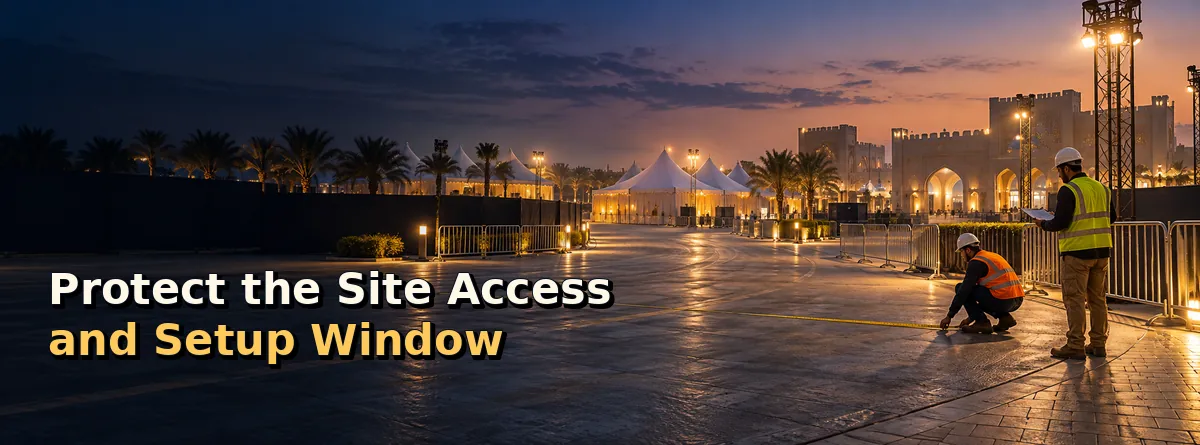
Plan backward from when your first guests arrive. Ask the provider how long their ride or attraction needs for unloading, setup, inspection, and checks—this can differ a lot by project. Make sure there’s a clear window for this in the schedule, and that it doesn’t clash with setting up stages, catering, rehearsals, or other busy times.
Be sure to note who’s in charge of things like permits, inspections, power, barriers, security, and cleaning up after the event. Who handles what can change based on the country, the attraction, or what’s in your contract. Ask both the operator and venue for a list of needed approvals and who’s handling each one, before it’s tough to make changes.
Big Round Wheel’s rental process information covers how things like site conditions, access, setup, testing, and local rules can make a difference. Always follow your provider’s advice for the specific attraction you want—details for one ride or country might not fit another.
Turn an Inquiry Into a Confirmed Reservation
When the provider says things look doable, put everything in writing. Confirm the date, hours, which attractions you want, who’s handling delivery and removal, the transport plan, venue access times, local contacts, and any deadlines for branding or production. Ask the provider to spell out what’s covered and what still needs outside approval.
Go through the reservation terms carefully. The agreement needs to spell out how the date is secured, when payments are expected, what to do if plans change, and how each side will handle delays with shipping or permits. For events crossing borders, make clear who’s in charge of import tasks and when the attraction officially becomes the event team’s responsibility.
Keep a single schedule that everyone can see—the organizer, provider, venue, shipping partner, and production team. Make sure every task has a person responsible and a due date. A quick weekly check-in during busy times can catch missing drawings or open questions before they cause bigger issues.
Hold Public Announcements Until the Plan Is Firm
Once you announce an attraction, it’s easy for it to end up in sponsor materials, ticket info, press, and guest messages. Before naming a specific ride, make sure it’s really booked and that the big pieces—availability, venue, logistics—are all confirmed. If you’re still waiting on something, keep your message general until everything’s locked in.
This careful approach also helps if you want custom branding. Approve your creative ideas early, then confirm when production deadlines are and what can still be changed after things go into production or shipping. A last-minute logo or color switch could cause bigger problems if it affects equipment or the event layout.
For international events, start talking as soon as you know the date and destination. Aim for about a year of lead time for imported attractions; give yourself longer for custom or complex projects. Your provider should build a written plan based on the real equipment and route. For events in Saudi Arabia, Big Round Wheel’s Saudi Arabia event planning page lists what you’ll need—location, access, dates, preferences, expected attendance, and layout—to get started.
If you want to talk about an international event, send the city, venue, dates, expected attendance, the attractions you want, and any site plans or creative ideas through Big Round Wheel’s contact page. The sooner everyone knows the real limits, the faster you’ll find out if the plan works.
Frequently Asked Questions
How far ahead should I reserve an imported amusement attraction?
Use 12 months before opening as a prudent starting target for cross-border events, and begin earlier if custom branding, unfamiliar import steps, or local approvals are involved. Ask the provider for a written schedule; availability and logistics vary by project.
Can I reserve before the venue contract is final?
You can begin a proposal and availability discussion once the target dates and city are known. Tell the provider what is still pending, and confirm in writing what action holds or secures the date.
What information should I send?
Share the country and city, event dates and operating hours, venue or site plan, expected attendance, desired attractions, access details, branding needs, and approximate budget.
Are the same import steps required throughout the Middle East?
Requirements depend on the destination and shipment arrangement. Confirm documentation, import treatment, duties or taxes, inspections, and operating approvals with qualified local advisers and relevant authorities.


